Contact Lenses
Contact Lenses in Stuart
At Stuart Family Eye Care, we help you see clearly and comfortably in contact lenses, whether you’re new to contacts, struggling with astigmatism, reaching for reading glasses, or need a specialty lens for a medical eye condition. Our optometrists, Dr. Vasuki Anandan, Dr. Tanya Plante, Dr. Raj Setty and Dr. Alyssa Mastriano, provide complete contact lens exams and fittings in Stuart, and we fit a wide range of lens types so we can match your eyes, your prescription, and your Treasure Coast lifestyle.
Call or Text 772-208-3924 (text us) | Request an Appointment
Contact Lens Exam & Fitting in Stuart
A glasses prescription is not a contact lens prescription. Glasses sit about 12 mm in front of your eyes; contact lenses rest directly on the surface of the eye. That changes the lens power you need, and it means the lens has to fit the shape of your cornea and work well with your tear film.
During a contact lens exam and fitting, our eye doctors:
- Measure the curvature and size of your cornea so the lens fits well. A poor fit can cause discomfort, blurry vision, or irritation.
- Check your tear film and the front of your eye to see whether dry eye, allergies, or other conditions could affect wear.
- Talk about your daily routine: screen time, sports, boating and beach days, travel, and how many hours a day you plan to wear lenses.
- Have you try trial lenses and check vision, comfort, and lens movement on the eye.
- Teach new wearers how to insert, remove, and care for lenses safely.
- Schedule follow-up visits to confirm the lenses are working well and your eyes stay healthy.
Under federal law, a contact lens prescription includes details a glasses prescription doesn’t, such as the lens brand, base curve, and diameter. This is why a separate fitting is needed. We recommend a yearly eye exam to keep your prescription up to date and your eyes healthy.
Spherical Contact Lenses (Nearsighted & Farsighted)
Spherical lenses are the most common contact lenses. They correct nearsightedness (myopia), so far-away objects look sharp, and farsightedness (hyperopia), so close-up tasks are easier. They have the same power across the whole lens and come in daily, two-week, and monthly options. For many active people in Stuart, contacts make it easier to wear non-prescription sunglasses, play sports, and enjoy time on the water without glasses slipping or fogging.
Toric Contact Lenses for Astigmatism
If you’ve been told you “can’t wear contacts” because of astigmatism, it may be time to look again. Toric contact lenses are designed with different powers in different parts of the lens to correct the uneven focusing that astigmatism causes. They’re also designed to stay in the correct position on your eye. Many patients notice sharper vision and less glare and halos around lights, especially when driving at night. Toric lenses come in soft daily and monthly options, and for higher amounts of astigmatism, rigid gas-permeable designs are also available.


Multifocal & Bifocal Contact Lenses
In our 40s, most of us develop presbyopia: up-close focus gets harder and we start holding our phones farther away. Multifocal contact lenses (sometimes called bifocal contacts) have zones for distance, intermediate, and near vision in one lens, so you can read a menu, check your phone, and see across the room without reading glasses. We’ll also discuss monovision and modified approaches if they suit your eyes better. Fitting multifocals takes skill and some fine-tuning, and our team will work with you until your vision feels natural.
Color Contact Lenses
Colored contacts can enhance your natural eye color or change it for a new look, and they can be made with or without vision correction. All color contact lenses, including non-corrective “cosmetic” lenses, are medical devices that require a valid prescription and a proper fitting. Poorly fitting costume lenses bought without a prescription can scratch the eye or cause serious infections. We’ll help you choose a natural-looking shade and make sure the lenses fit safely.

Daily Disposable Contact Lenses
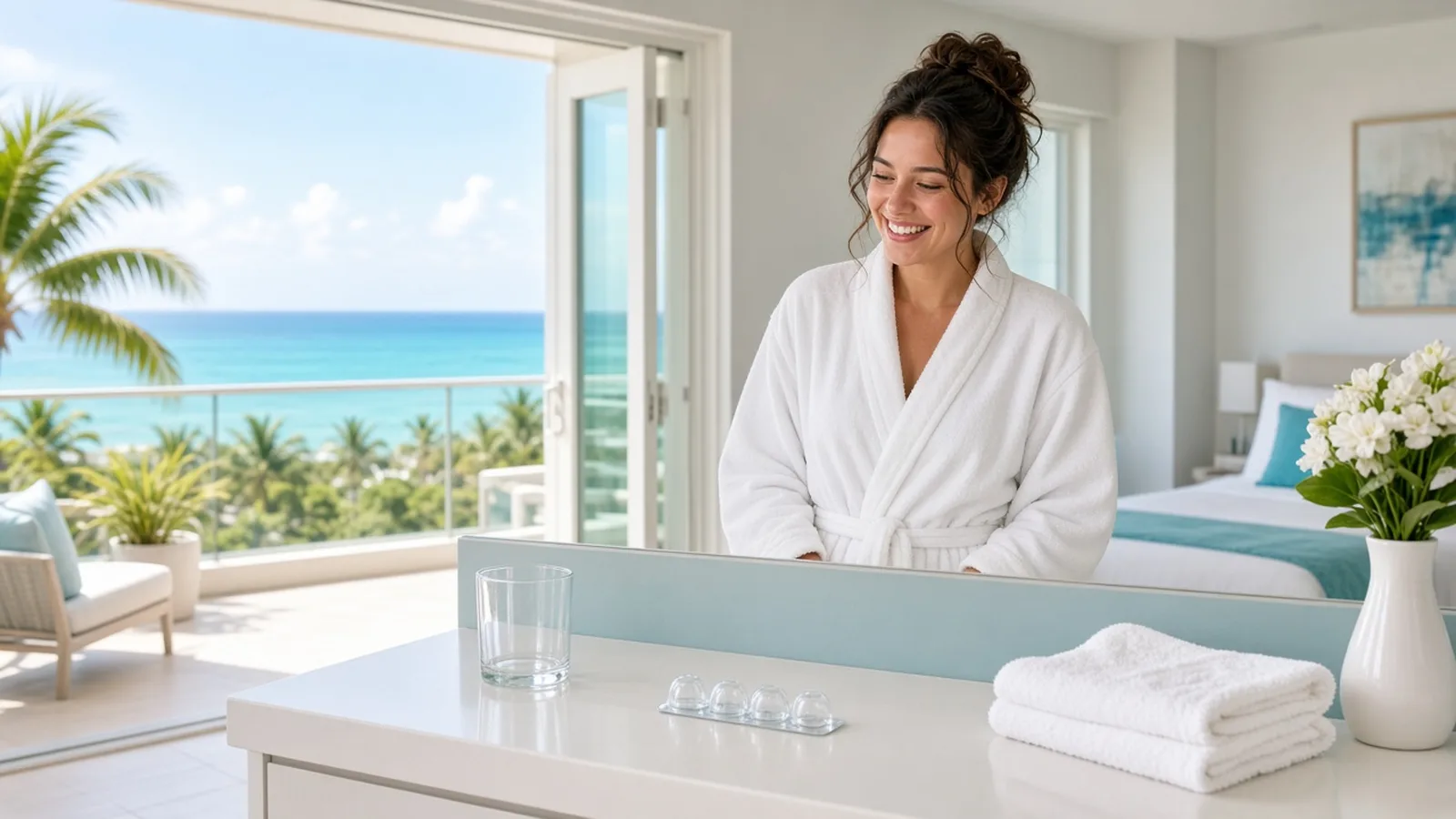
Daily disposables are the simplest, cleanest way to wear contacts: put in a fresh pair each morning and throw them away at night. You don’t need cleaning solution or a lens case, and there’s less buildup on the lens. Many wearers find them comfortable, especially people with allergies, and they’re ideal for travel, sports, part-time wear, and kids or teens who are new to contacts. Dailies are available for nearsightedness, farsightedness, astigmatism, and presbyopia.
Extended Wear Contact Lenses
Extended wear lenses are made of highly breathable materials, such as silicone hydrogel, and some are approved for overnight or continuous wear for a set number of days. They can be helpful for busy professionals, parents, shift workers, and anyone with an unpredictable schedule. Sleeping in contacts raises the risk of eye infection, so extended wear isn’t right for everyone. Our optometrists will decide whether it’s safe for your eyes and how long you should wear them, and we’ll watch your eye health closely at follow-up visits. To learn more, read our article on contact lens safety and overwearing.

Medically Necessary Contact Lenses
Some eyes can’t be corrected well with glasses or standard soft contacts. Medically necessary contact lenses are specialty lenses fitted for conditions such as:
- Keratoconus and other irregular corneas
- Very high prescriptions (high myopia, hyperopia, or astigmatism), or a large difference in prescription between the two eyes (anisometropia)
- Post-surgical corneas, such as after corneal transplant or refractive surgery
- Corneal scarring or other conditions where glasses don’t give acceptable vision
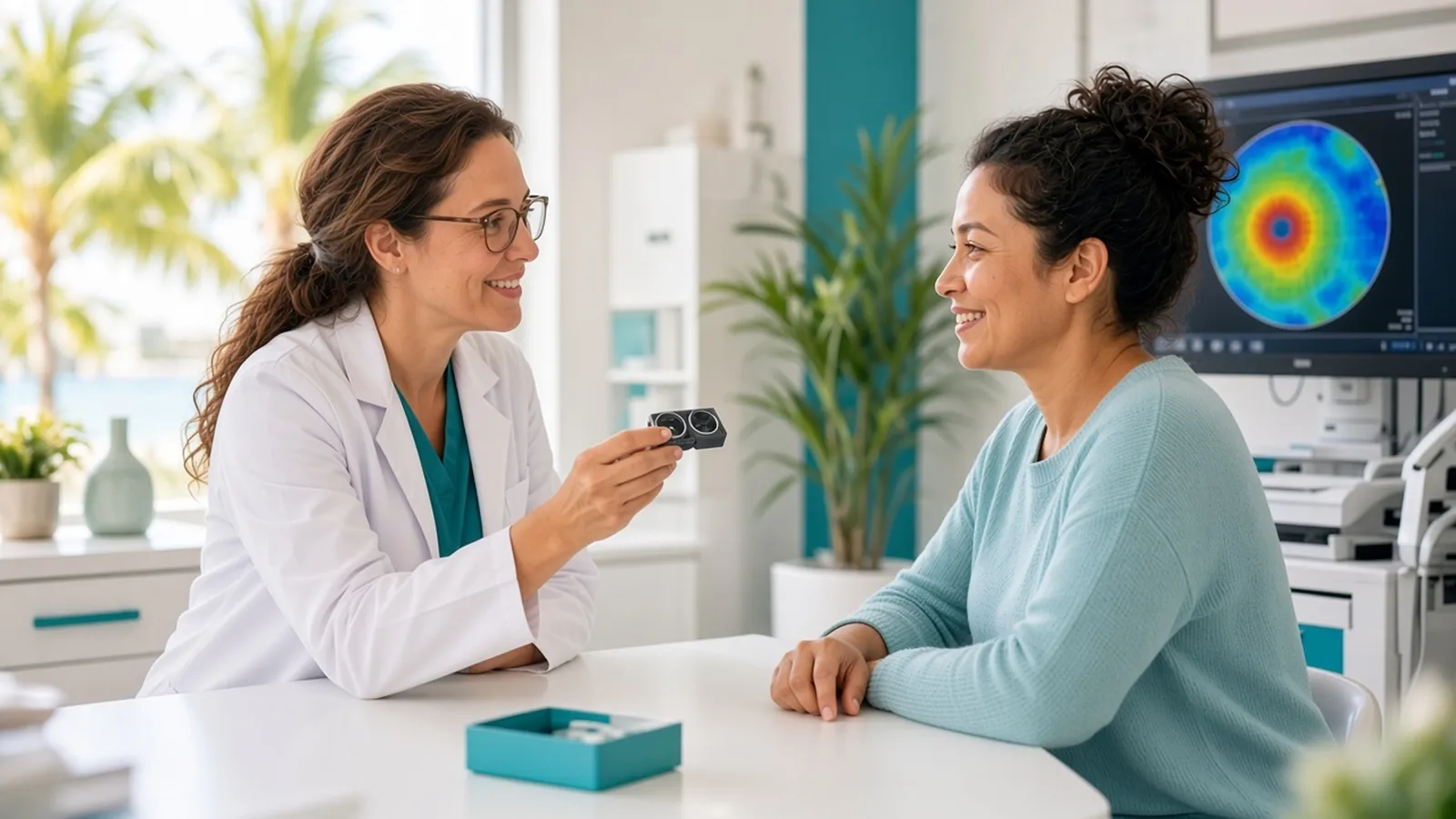
Depending on your eyes, these may include rigid gas-permeable (GP), scleral, hybrid, or custom soft lenses. Fitting them takes detailed measurements and often more than one visit. When contact lenses are medically necessary, your vision or medical insurance may cover part of the cost. Coverage depends on your plan and diagnosis, and our staff can help you check your benefits. Learn more on our Insurance Information page.
Why Choose Stuart Family Eye Care for Contacts?
- Full contact lens exams and fittings with experienced optometrists
- Fitting for astigmatism, multifocal, daily, extended wear, color and specialty lenses
- Follow-up visits so your lenses stay comfortable and your eyes stay healthy
- Help with vision and medical insurance benefits
- A private, local practice at 3332 SE Salerno Rd, Stuart, FL 34997
Contact Lens FAQs
Do I need a separate exam for contact lenses if I already have a glasses prescription?
Yes. A contact lens prescription requires extra measurements, including corneal curvature, lens fit, and how the lens moves on your eye, plus a trial fitting. A glasses prescription can’t be used to order contact lenses.
Can I wear contact lenses if I have astigmatism?
Most people with astigmatism can. Toric soft lenses correct most amounts of astigmatism, and rigid gas-permeable or specialty lenses can work well for higher or irregular astigmatism.
I’m over 40 and need reading glasses. Can contacts help?
Often, yes. Multifocal contact lenses correct distance, intermediate, and near vision. Some patients do well with monovision. We’ll help you find the approach that suits your eyes and daily activities.
Do colored contacts need a prescription even if I don’t need vision correction?
Yes. All contact lenses, including cosmetic color lenses, are medical devices that require a prescription and a proper fitting to lower the risk of eye injury and infection.
Are daily disposable lenses better than monthly lenses?
It depends on your eyes and lifestyle. Dailies are convenient and hygienic with no cleaning needed. Monthly or two-week lenses may suit certain prescriptions and routines. Your optometrist will recommend the best fit.
Will insurance cover my contact lenses?
Many vision plans include a contact lens benefit, and specialty lenses may be covered when they’re medically necessary, for example for keratoconus. Coverage varies by plan, so our team can help you check your benefits.
Schedule Your Contact Lens Exam in Stuart
Ready to see clearly with the right contact lenses? Our optometrists will find a lens that fits your eyes and your lifestyle.
Call or Text 772-208-3924 (text us)
Stuart Family Eye Care · 3332 SE Salerno Rd, Stuart, FL 34997 · Mon–Fri 9:00am–5:00pm